
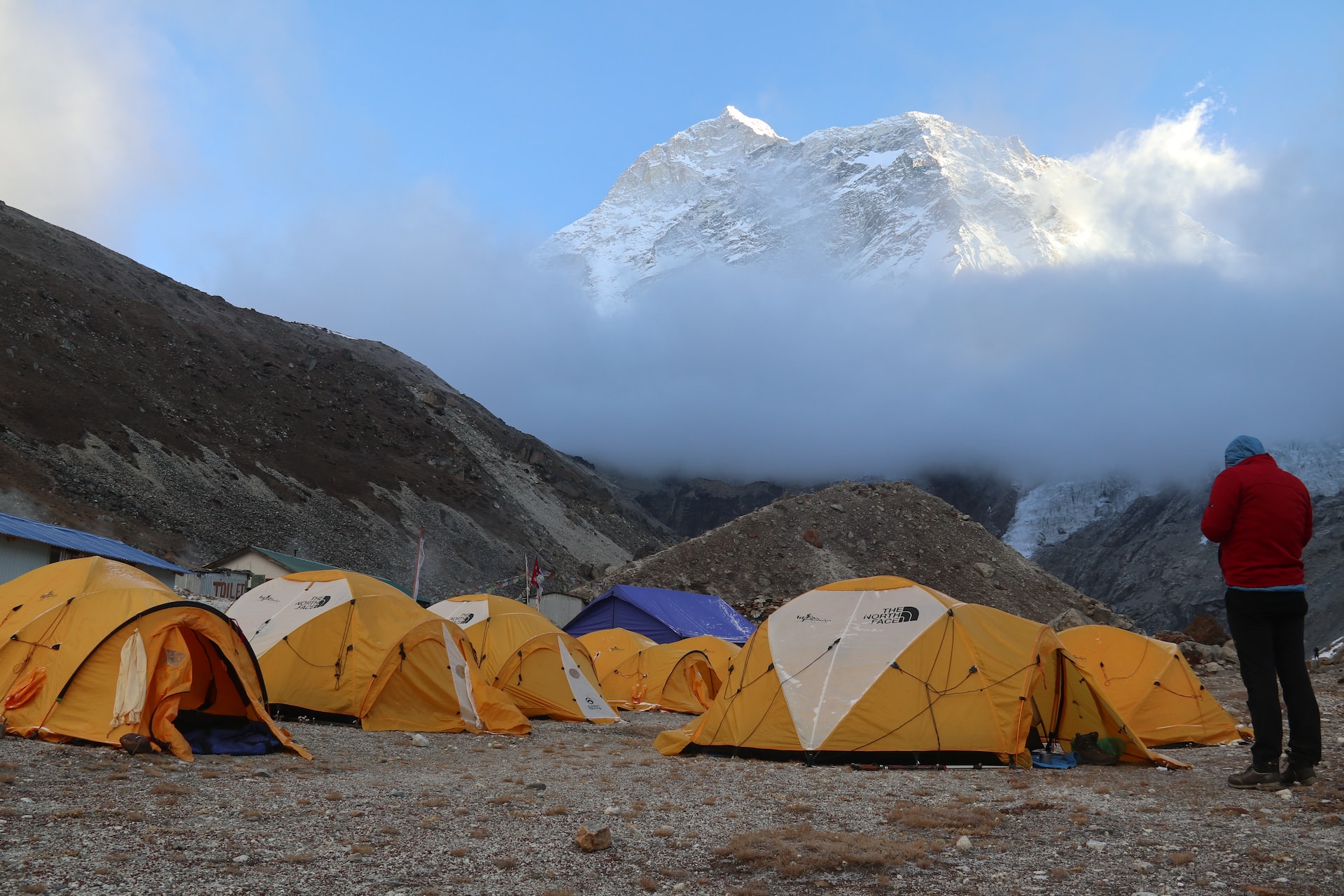
Makalu base camp 19 days
The Makalu Base Camp trek begins from Tumlingtar in the mid-eastern region. This is a high
altitude trek, which takes in lower landscapes of lush rhododendron forests, picturesque Gurung
villages, river valleys and the Makalu Barun National Park.
Day 1: Kathmandu To Tumlingtar (Flight) to Chichila (Drive)
Chichila – 1980 m / 6496 ft – 4 hrs
Day 2: Chichila To Num
Num – 1040 m / 3412 ft – 6 hrs
Day 3: Num to Seduwa
Seduwa – 1500 m / 4921 ft – 6 hrs
Day 4: Seduwa To Tashi Gaon
Tashi Gaon- 2100 m / 6889 ft – 5 hrs
Day 5: Tashi Gaon To Khongma Danda
Khongma Dada – 3500 m / 11482 ft – 7 hrs
Day 6: Acclimatization Day
Khongma Dada- 3500 m / 11482 ft – 2 hrs
Day 7: Khongma Danda To Dobato
Dobato – 3500 m / 11482 ft – 6 hrs
Day 8: Dobato To Yangla Kharka
Yangla Kharka – 3557 m / 11669 ft – 7 hrs
Day 9: Yangla Kharka To Langmale Kharka
Langmale Kharka – 4410 m / 14468 ft – 6 hrs
Day 10:Langmale Kharka To Makalu Base Camp
Makalu Base Camp – 4870 m / 15977 ft – 6 hrs
Day 11: Explore Makalu Base Camp
Makalu Base Camp – 4870 m / 15977 – 3 hrs
Day 12: Makalu Base Camp To Yangla Kharka
Yangla Kharka – 3557 m / 11669 ft – 7 hrs
Day 13: Yangla Kharka to Dobato
Dobato – 3500 m / 11482 ft – 7 hrs
Day 14: Dobato To Khongma Danda
Khongma Danda – 3500 m / 11482 ft – 6 hrs
Day 15: Khongma Danda to Tashi Gaon
Tashi Gaon – 2100 m / 6889 ft – 5 hrs
Day 16: Tashi Gaon to Seduwa
Seduwa – 1500 m / 4921 ft – 5 hrs
Day 17: Seduwa to Num
Num – 1040 m / 3412 ft – 5 hrs
Day 18: Num to Chichila to Tumlingtar (Drive)
Tumlingtar – 1980 m / 6496 ft – 7 hrs
Day 19: Tumlingtar To Kathmandu (Flight)
Kathmandu – 1300 m / 4265 ft – 50 min
The Makalu Base Camp trek begins from Tumlingtar in the mid-eastern region. This is a high
altitude trek, which takes in lower landscapes of lush rhododendron forests, picturesque Gurung
villages, river valleys and the Makalu Barun National Park. At higher altitudes, there are
breathtaking panoramas of the Himalayas, high altitude lakes, and passes to cross to reach the
barn, rocky base camp.
This is a long, varied and quite a strenuous trek suitable for those who are keen trekkers and
nature enthusiasts and who would rather be in tranquil, pristine nature than follow the crowds.
Makalu Base Camp is situated at 5100m so the long trek through ever-increasing altitude is a
great way to slowly acclimatize. The Makalu Base Camp trek begins from Tumlingtar in the
mid-eastern region. This is a high altitude trek, which takes in lower landscapes of lush
rhododendron forests, picturesque Gurung villages, river valleys and the Makalu Barun National
Park.
At higher altitudes, there are breathtaking panoramas of the Himalayas, high altitude lakes, and
passes to cross to reach the barn, rocky base camp. This is a long, varied and quite strenuous trek
suitable for those who are keen trekkers and nature enthusiasts and who would rather be in
tranquil, pristine nature than follow the crowds. Makalu Base Camp is situated at 5100m so the
long trek through ever-increasing altitude is a great way to slowly acclimatize.
From base camp the Barun Glacier, the south face of Makalu (8,481m), and a
complete panorama of Everest and Lhotse is seen. Time is given to trekkers to explore the lakes
and glaciers around base camp before heading down from this icy, rocky land to green forests
and valleys again. On the return journey trekkers cross the Tutu La Pass (4,125m) which is now
known by the name of Shipton’s Pass.
The Shipton Pass is named after the renowned mountaineer Eric Shipton who was involved with
most expeditions to Mount Everest in the 1930’s and who, in 1951, was part of the team that
mapped out the now famous route over the Khumbu Glacier.
The Makalu Barun National Park is home to 3,000 species of flowering plants, 440 species of
birds and 75 species of mammals including the snow leopard, red panda, musk dear, wild boar,
wild yak and the Himalayan Thar. With the possibility of spotting wildlife at lower altitudes,
green pastures and fields, villages, and forests, combined with snow-capped mountains, glaciers
and rocky trails, this is also ideal photography territory!